
electronics-journal.com
30
'26
Written on Modified on
Rutronik Expands Portfolio for SiC Power Semiconductors
Bosch introduces third-generation silicon carbide MOSFETs targeting high-voltage applications, with Rutronik preparing distribution support for efficiency-driven power electronics systems.
www.rutronik.com
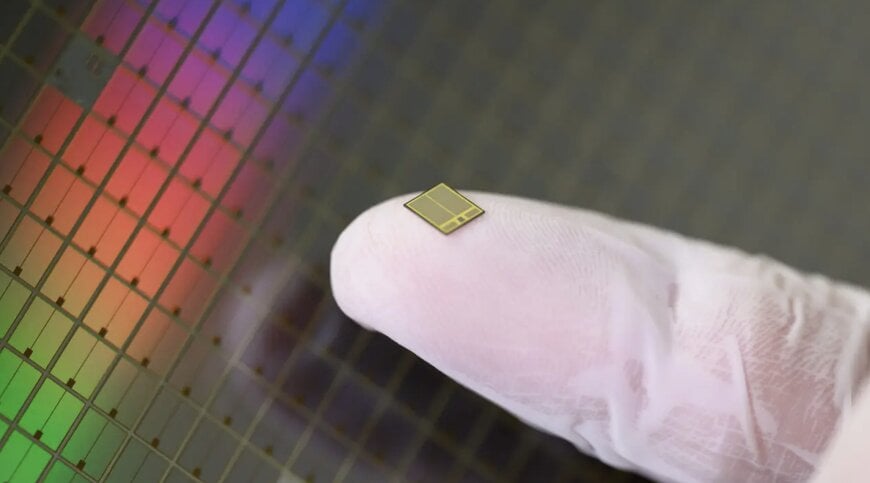
Photo Credit: Bosch
Power electronics in sectors such as electric mobility, renewable energy, and industrial drives are shifting toward wide bandgap semiconductors to improve efficiency and thermal performance. In this context, Bosch has introduced its Gen3 SiC MOSFETs, with Rutronik preparing to integrate the devices into its distribution portfolio.
Silicon carbide in high-voltage system design
Silicon carbide has become a key material in high-voltage power electronics due to its ability to reduce switching losses and operate at higher temperatures compared to conventional silicon devices. These properties are particularly relevant in applications such as traction inverters, photovoltaic systems, and industrial motor drives, where efficiency and thermal constraints directly affect system performance.
The Gen3 SiC MOSFETs are designed to address these requirements by improving switching characteristics and enabling higher operating efficiency. Lower switching losses reduce energy dissipation during high-frequency operation, which in turn supports more efficient power conversion.
Balancing conduction and switching losses
A central design aspect of the new devices is the optimization between conduction losses and switching behavior. In power semiconductor operation, total system losses depend on both parameters, particularly under dynamic load conditions and high switching frequencies.
By improving this balance, the devices reduce overall energy losses at the system level. This is relevant for applications with rapidly changing load profiles, such as electric vehicle powertrains or variable-speed industrial drives, where switching performance directly impacts efficiency.
Impact on power density and system integration
The reduction in losses and improved thermal characteristics enable higher power density, allowing system designers to reduce component size and overall system footprint. In practical terms, this supports more compact inverter designs and lighter power electronics assemblies.
In electric mobility, higher efficiency contributes to extended driving range by reducing energy losses in traction inverters and onboard chargers. In industrial and energy systems, improved efficiency translates into lower operating costs and better energy utilization.
Application scope across energy and mobility systems
The Gen3 SiC MOSFETs are intended for high-voltage applications where efficiency, reliability, and switching performance are critical. These include electric vehicle traction inverters and charging systems, photovoltaic inverters, energy storage systems, and industrial drive systems.
Within these applications, the devices support higher switching frequencies, enabling more precise control and potentially reducing the size of passive components such as inductors and capacitors.
Design support and integration into the digital supply chain
Rutronik’s role in preparing its portfolio for these devices reflects the need for distribution and design-in support as SiC adoption expands across the digital supply chain. Access to application guidance, component availability, and integration expertise is essential for engineers implementing wide bandgap technologies in production systems.
Bosch also provides additional technical resources, including a dedicated webinar focused on SiC technology, covering design considerations, efficiency optimization, and application use cases in modern high-voltage systems.
Edited by Aishwarya Mambet, Induportals Editor, with AI assistance.
www.rutronik.com
Power electronics in sectors such as electric mobility, renewable energy, and industrial drives are shifting toward wide bandgap semiconductors to improve efficiency and thermal performance. In this context, Bosch has introduced its Gen3 SiC MOSFETs, with Rutronik preparing to integrate the devices into its distribution portfolio.
Silicon carbide in high-voltage system design
Silicon carbide has become a key material in high-voltage power electronics due to its ability to reduce switching losses and operate at higher temperatures compared to conventional silicon devices. These properties are particularly relevant in applications such as traction inverters, photovoltaic systems, and industrial motor drives, where efficiency and thermal constraints directly affect system performance.
The Gen3 SiC MOSFETs are designed to address these requirements by improving switching characteristics and enabling higher operating efficiency. Lower switching losses reduce energy dissipation during high-frequency operation, which in turn supports more efficient power conversion.
Balancing conduction and switching losses
A central design aspect of the new devices is the optimization between conduction losses and switching behavior. In power semiconductor operation, total system losses depend on both parameters, particularly under dynamic load conditions and high switching frequencies.
By improving this balance, the devices reduce overall energy losses at the system level. This is relevant for applications with rapidly changing load profiles, such as electric vehicle powertrains or variable-speed industrial drives, where switching performance directly impacts efficiency.
Impact on power density and system integration
The reduction in losses and improved thermal characteristics enable higher power density, allowing system designers to reduce component size and overall system footprint. In practical terms, this supports more compact inverter designs and lighter power electronics assemblies.
In electric mobility, higher efficiency contributes to extended driving range by reducing energy losses in traction inverters and onboard chargers. In industrial and energy systems, improved efficiency translates into lower operating costs and better energy utilization.
Application scope across energy and mobility systems
The Gen3 SiC MOSFETs are intended for high-voltage applications where efficiency, reliability, and switching performance are critical. These include electric vehicle traction inverters and charging systems, photovoltaic inverters, energy storage systems, and industrial drive systems.
Within these applications, the devices support higher switching frequencies, enabling more precise control and potentially reducing the size of passive components such as inductors and capacitors.
Design support and integration into the digital supply chain
Rutronik’s role in preparing its portfolio for these devices reflects the need for distribution and design-in support as SiC adoption expands across the digital supply chain. Access to application guidance, component availability, and integration expertise is essential for engineers implementing wide bandgap technologies in production systems.
Bosch also provides additional technical resources, including a dedicated webinar focused on SiC technology, covering design considerations, efficiency optimization, and application use cases in modern high-voltage systems.
Edited by Aishwarya Mambet, Induportals Editor, with AI assistance.
www.rutronik.com
