
electronics-journal.com
01
'26
Written on Modified on
CeramTec at PCIM Expo 2026
From 9 to 11 June, in Nuremberg, discover high-performance silicon nitride and Rubalit 710 C solutions for e-mobility, high-voltage, and high-frequency electronics backed by a reliable European supply chain.
www.ceramtec-group.com
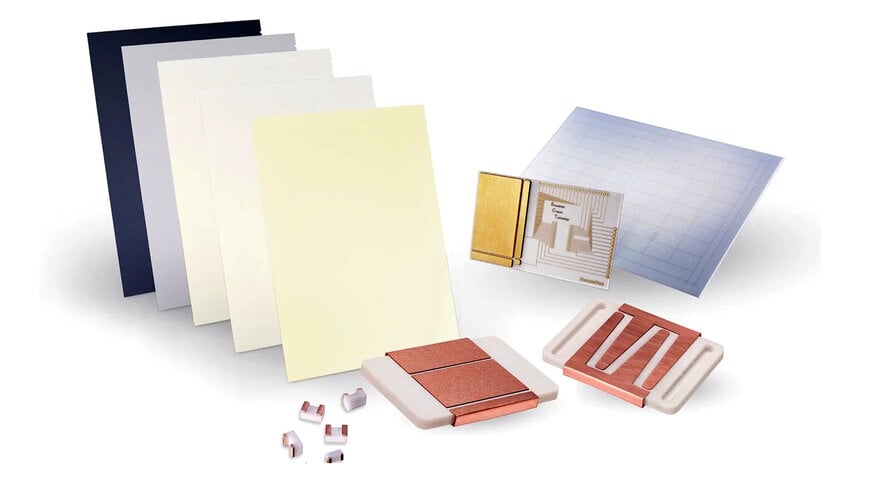
CeramTec has established a localized European production ecosystem to deliver advanced ceramic substrates optimized for high-voltage automotive systems and high-frequency digital infrastructure. This framework provides industrial manufacturers with a single-source supply chain for critical thermal management components used in power modules.
Industrial Challenges and Supply Chain Logic
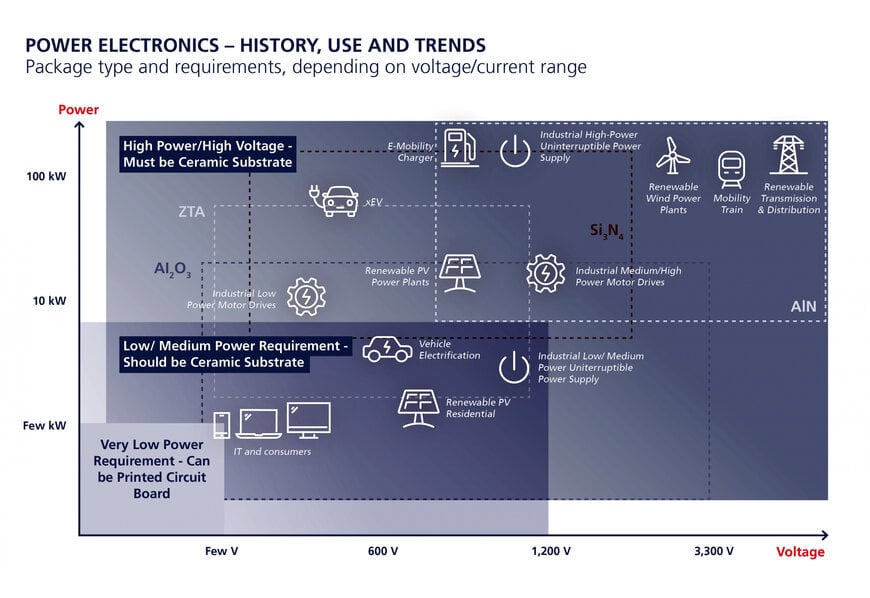
Modern power electronics utilizing silicon carbide (SiC) and gallium nitride (GaN) semiconductors operate under high thermal and electrical loads. These systems require substrate materials with high thermal conductivity, mechanical robustness, and electrical insulation to ensure long-term process stability.
Historically, high-performance substrates like silicon nitride (Si3N4) were predominantly sourced from Asian manufacturers, introducing logistical risks and complicating collaborative engineering. Localizing production within Europe addresses these supply chain vulnerabilities, reducing response times and stabilizing the manufacturing pipeline for automotive and renewable energy sectors.
Technical Solution and Performance Parameters
The specialized technical portfolio encompasses four primary substrate materials designed to match specific operational profiles:
- Silicon Nitride (Si3N4): Tailored for high-voltage automotive applications and wide-bandgap semiconductor modules due to its superior mechanical strength and thermal cycling capability.
- Aluminium Oxide (Al2O3 - Rubalit 710 C): Featuring a 99.6% purity level and a surface roughness of ≤ 0.1 µm, this substrate enables the deposition of precise conductor track structures required for high-frequency components, 5G antennas, and lambda sensors.
- Zirconia-Toughened Alumina (ZTA) and Aluminium Nitride (AlN): Provided to meet intermediate thermal performance and mechanical density requirements.
Collaborative Development and System Integration
The deployment of these materials relies on a co-engineering framework where CeramTec interfaces directly with industrial system integrators. This development partnership begins during early-stage feasibility testing to align material geometries, tolerances, and thermal expansion coefficients with the specific requirements of the target power module or inverter housing.
This collaborative integration model ensures that custom-developed substrates can be embedded into existing industrial automation platforms, wind turbine inverters, and electric vehicle drivetrains without sacrificing mechanical integrity or thermal dissipation efficiency.
Applications and Expected Operational Impact
The localized availability of these technical ceramics directly supports the scalability of renewable energy systems and e-mobility powertrains. By utilizing precisely matched substrate geometries, industrial operators achieve higher power densities and improved thermal dissipation.
The resulting reduction in thermal stress translates to enhanced component reliability, lower maintenance overheads, and stabilized operational performance across high-frequency and high-voltage applications.
Edited by Evgeny Churilov, Induportals Media - Adapted by AI.
www.ceramtec-group.com
