
Integration of High-Density Processors and Ethernet Adapters for Digital Infrastructure
Intel partnered with top OEMs like Dell, HPE, Lenovo, and Supermicro to deploy unified compute and networking systems optimized for agentic AI workloads and data movement.
www.intel.com
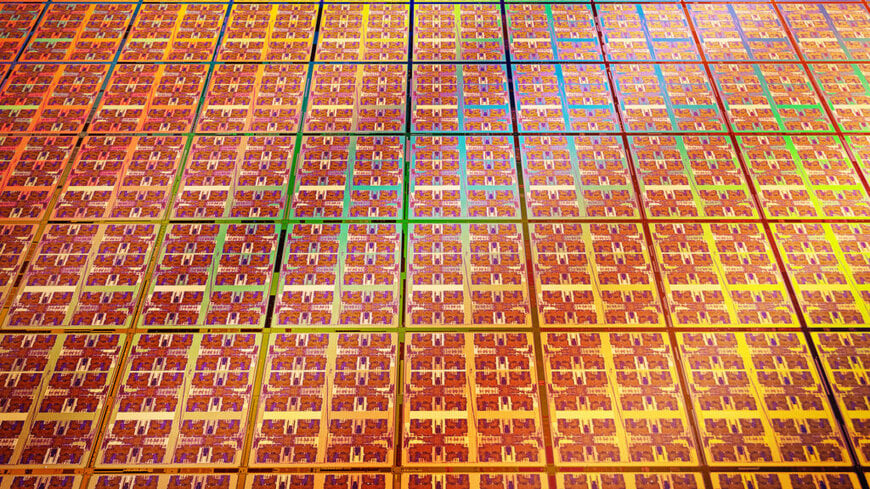
Intel has partnered with original equipment manufacturers, including Dell Technologies, HPE, Lenovo, and Supermicro, to deploy unified compute and networking systems designed for agentic artificial intelligence workloads. The collaboration integrates hardware architectures to optimize data movement, orchestration, and sustained inference across modern data center and enterprise environments.
Operational Challenges in Distributed Infrastructure
As distributed workloads scale, technical constraints shift from raw compute capacity to system orchestration, concurrent processing, and data bottlenecks. High-density environments require predictable latency and optimized throughput per core within fixed rack power limits. Managing these variables is essential to prevent operational inefficiencies and elevated total cost of ownership during digital infrastructure expansions.
Technical Architecture and System Components
The collaborative solution utilizes processors engineered on the Intel 18A manufacturing process, featuring up to 288 efficient-cores to manage high concurrency in cloud-native and telecom operations. The processing layer incorporates 12-channel DDR5 memory alongside 96 lanes of PCIe Gen 5 and Compute Express Link (CXL) to facilitate high-speed data transfer across heterogeneous hardware. Real-time energy monitoring is managed via application energy telemetry interfaces, which provide workload-level visibility into CPU power consumption.
The networking fabric relies on specialized controllers and network adapters delivering up to 200 gigabit Ethernet throughput. The network architecture supports multiple port configurations via configuration tools, including dual 25, quad 25, dual 100, and single 200 gigabit profiles. To minimize CPU utilization, the adapters implement remote direct memory access protocols (RoCEv2 and iWARP) alongside dynamic device personalization for accelerated packet processing. Security is maintained through hardware root of trust and signed security protocol and data model specifications.
Infrastructure Deployment and System Integration
The integrated processing and networking components are being deployed and validated within telecom network infrastructures and enterprise data centers. The participating original equipment manufacturers integrate these architectures into standardized server configurations. The hardware platforms are drop-in compatible with existing server footprints, allowing for up to a nine-to-one server consolidation ratio against older hardware generations without requiring comprehensive data center redesigns.
Applications and Performance Impacts
The cooperative systems target data centers, telecommunications networks, and small-to-medium business entry servers. Key use cases include high-density virtualized deployments, multi-tenant cloud architectures, and token-intensive inference tasks.
By coupling compute cores directly with low-latency network interfaces, the architecture achieves a 45 percent increase in performance per thread per watt compared to alternative hardware. The network adapters operate at up to 1.9 times higher performance-per-watt than comparable market alternatives, directly lowering data center operational costs. The integration ensures process stability, predictable latency, and cryptographic isolation through silicon-level trust domains during concurrent workload orchestration.
Edited by Evgeny Churilov, Induportals Media - Adapted by AI.
www.intel.com
