
electronics-journal.com
02
'26
Written on Modified on
Rutronik & Nanopower Partner to Expand Ultra-Low-Power IoT Portfolio
Nanoampere-range power-saving ICs support energy-autonomous sensors, extending battery life and enabling battery-free designs across connected applications.
www.rutronik.com
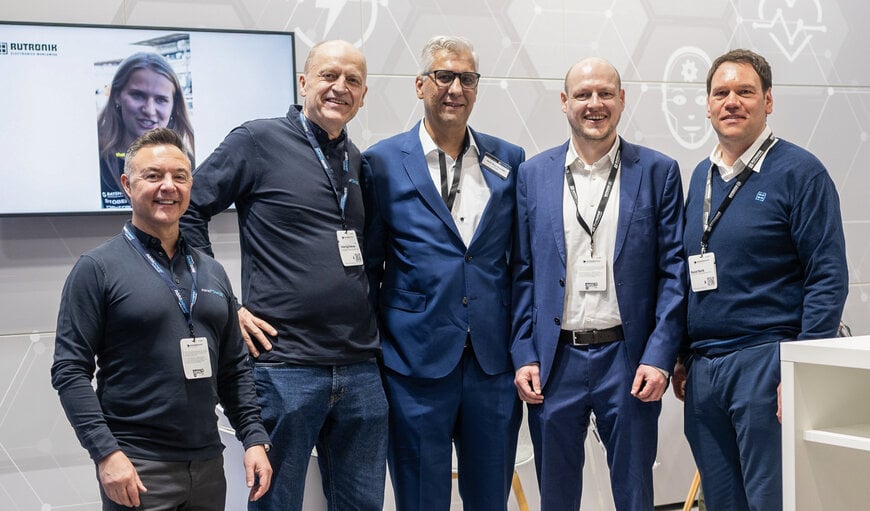
Rutronik Elektronische Bauelemente GmbH and Nanopower Semiconductor have entered a global agreement to distribute and implement subthreshold technology integrated circuits. This cooperation addresses the power consumption challenges of sensors used in smart building systems and industrial environments.
Cooperation Roles and Operational Challenges
The partnership resolves the high power consumption constraints of standard microcontrollers in autonomous sensor networks. Nanopower Semiconductor develops and provides the subthreshold technology, while Rutronik operates as the global distributor, supplying technical consulting and design-in support for system integration. This cooperation is required to combine specialized integrated circuit development with an international engineering support network, enabling the deployment of these components across global markets.
Technical Solution and Responsibilities
The technical architecture is based on Power Saving ICs developed by Nanopower Semiconductor. These integrated circuits function by utilizing a subthreshold technology that allows sensor operation with current consumption in the nanoampere range. This design lowers the power profile of connected systems compared to standard power management architectures. Rutronik assumes responsibility for the technical integration, providing local engineering expertise to assist hardware developers in incorporating these circuits into their specific system designs.
Deployment and System Integration
The distribution network makes the integrated circuits available globally for immediate industrial implementation. The technical deployment relies on Rutronik integrating these components into the hardware design phases of ongoing projects for edge devices. Engineering teams support this implementation by matching the integrated circuits with existing digital infrastructure and hardware platforms to reduce power usage without requiring complete system redesigns.
Industrial Applications and Use Cases
The technology targets industrial automation, smart building systems, healthcare electronics, and smart city infrastructure. Technical use cases include autonomous sensor nodes that must operate for extended periods without manual maintenance. The resulting operational benefits include extended operational cycles for battery-powered devices and the potential elimination of batteries in specific hardware architectures, which directly reduces physical maintenance requirements.
Expected Operational Impact
Operating in the nanoampere range minimizes the overall energy demands of connected devices. This specific reduction in current consumption extends hardware lifespans and decreases the physical footprint of energy storage components in distributed networks.
Edited by Natania Lyngdoh, Induportals editor, assisted by AI.
www.rutronik.com
