
electronics-journal.com
08
'26
Written on Modified on
Reliability in Electronics Manufacturing
WERNER WIRTH, alongside its partners, is developing integrated solutions for connection technology and component protection at electronica 2026 in Munich to realize the All Electric Society.
wernerwirth.com
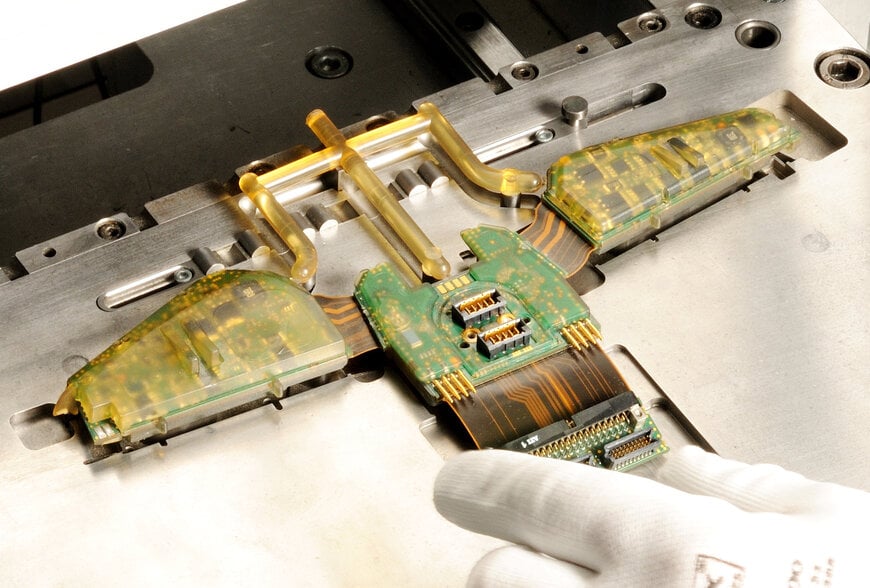
WERNER WIRTH is cooperating at the electronica 2026 trade fair, taking place from November 10 to 13, 2026, in Munich (Hall B2, Booth 504), with partners Bostik, Zierick, and WECO. The objective of this collaboration is to increase the operational reliability of electronic systems in industrial applications through the combined provision of connection technology and component protection, while addressing the technical requirements of the All Electric Society.
Partners and Operational Framework
WERNER WIRTH acts as a system supplier for connection technology, cable assembly, and thermal as well as mechanical component protection. The participating partners contribute specialized components to the overall system: Bostik supplies hot-melt adhesives and potting compounds, Zierick provides precision stamped and formed parts as well as crimp contacts, and WECO supplies electrical connectors. This collaboration is necessary because modern industrial applications require close coordination between electrical plug connections, the chemical material properties of the potting compounds, and the mechanical boundary conditions that a single manufacturer cannot cover alone.
Technical Architecture and Performance Assurance
The technical service portfolio covers the entire process chain from product engineering and toolmaking to series production. The integrated system architecture relies on standardized manufacturing processes such as hot-melt molding, conformal coating, and automated dispensing technology. The materials and processes used comply with quality standards DIN EN ISO 9001:15, DIN EN ISO 14001:15, and IEC 61340-5-1 for the prevention of electrostatic discharges. The connection components ensure stable signal and energy transmission under rated voltages and continuous thermal loads, while the specific component protection prevents the ingress of moisture and corrosive media in accordance with IP protection classes.
Implementation and Industrial Application
The technologies are implemented across industries in industrial automation, automotive engineering, and decentralized energy generation, where electronic assemblies are exposed to mechanical vibrations, temperature fluctuations, and chemicals. Integration occurs in multiple phases, starting with material consultation and prototype development, moving to tool-bound pilot series, and culminating in fully automated series production. The structural design of the connectors and potting geometries ensures that existing printed circuit board layouts can be integrated into existing housing structures without mechanical modifications.
Technical Results and Operational Stability
Through process-integrated sealing and strain relief of the circuit board connections, the mechanical lifespan of the assemblies under continuous vibration loading is increased. The use of thermally conductive potting compounds reduces the thermal resistance between heat-generating semiconductors and the heat sink, thereby improving thermal stability during continuous operation and preventing premature component failure.
Reduction of Failure Rates
The systemic coordination of the thermal expansion coefficients of all polymers and metals used minimizes thermally induced shear stresses at solder joints, contributing to a verifiable reduction in field failures under operational conditions.
Edited by Sucithra Mani, Induportals editor – adapted by AI.
www.wernerwirth.com
